
The Origin of Indonesian Green Coffee Beans: From the Highlands to Your Roastery
Indonesia is one of those rare places where the land itself seems made for coffee. Volcanic soil, equatorial humidity, high-altitude growing conditions, and generations of farming knowledge have combined to produce origins that are unlike anything else in the world.
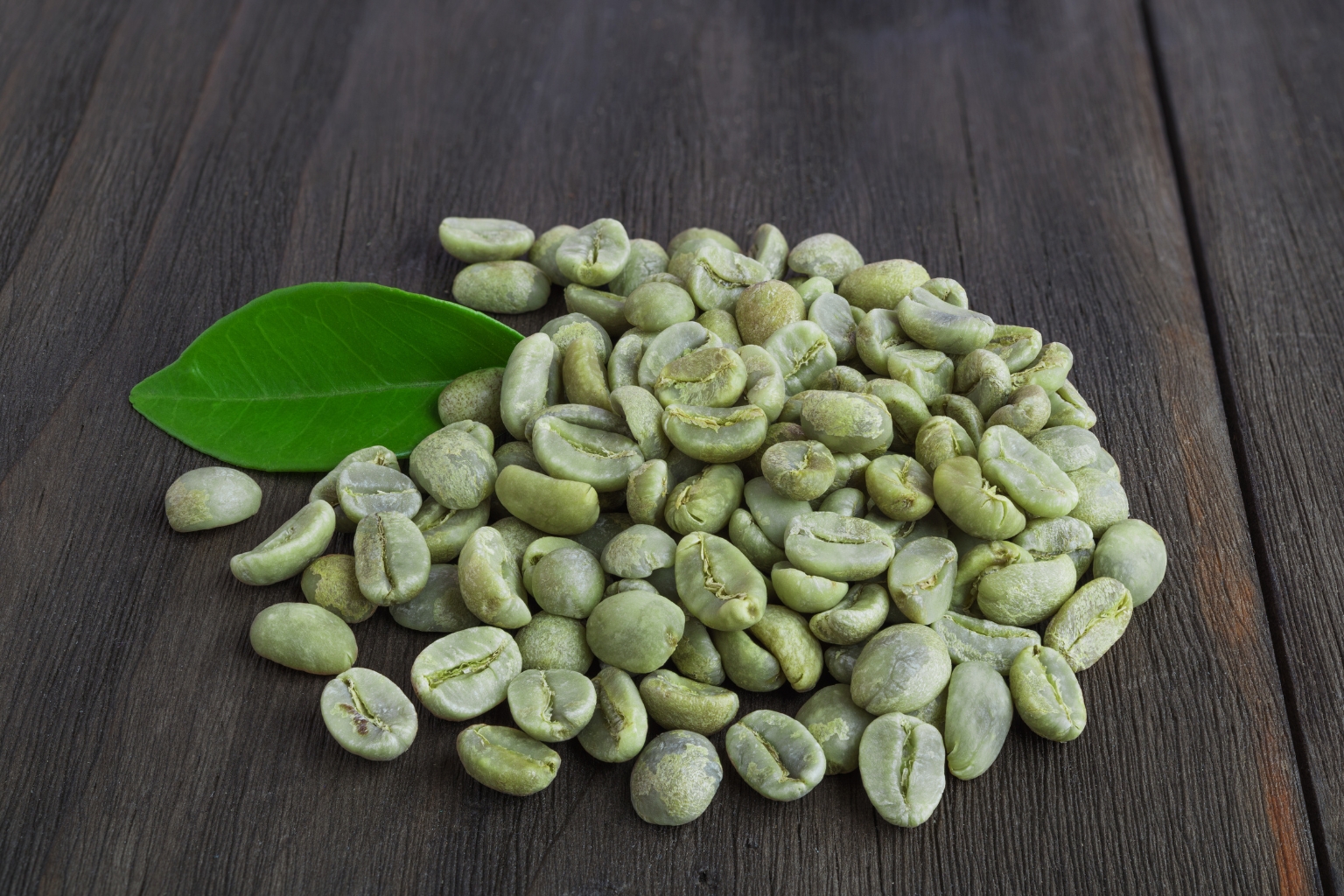
For Australian roasters and green coffee buyers, Indonesia represents both exceptional quality and a supply chain advantage that few other origins can match—it sits just to our north, and the relationships built there run deep.
At Epuria, we import green coffee from seven of Indonesia’s most respected and distinctive growing regions. Each one has been chosen deliberately—not just for flavor, but for the integrity of the farming community, the quality of the processing, and the story it brings to the roaster’s table.
Here's where our coffee comes from and why each origin matters
Gayo Highlands, Sumatra: The Soul of Indonesian Coffee
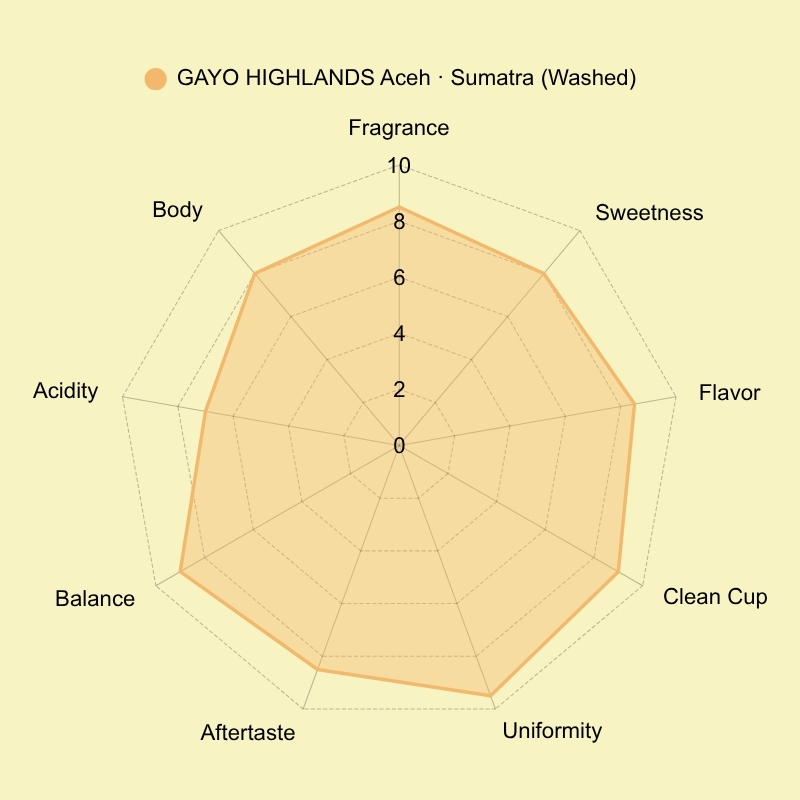
High in the mountains of Aceh province in northern Sumatra, the Gayo Highlands sit between 1,200 and 1,700 metres above sea level — draped in cloud forest, fed by volcanic soil, and home to one of the most celebrated coffee-growing communities in the world.
Gayo coffee is almost entirely grown by smallholder farmers, many of them organised into cooperatives that have been operating for generations. The Gayo people have a deep cultural connection to their land and their coffee, and that care shows in the cup. Many Gayo lots carry organic certification — not as a marketing strategy, but as a natural extension of how farming has always been done here.
The flavour profile is unmistakably Sumatran: full-bodied, low in acidity, with complex earthy, herbal, and cedar-like notes. The “Wet-Hull process” (Giling Basah) — unique to Indonesia — gives Gayo beans their characteristic blue-green colour and syrupy mouthfeel. This is coffee that holds its character under pressure, which is why it’s such a trusted foundation for espresso programs and serious blending work.
If you’ve ever tasted a coffee that felt genuinely ancient — rooted, grounded, and completely sure of itself — there’s a good chance it came from the Gayo Highlands.
Gunung Halu, West Java: Java’s Quiet Specialty Gem
West Java doesn’t always appear on the shortlist when people talk about Indonesian specialty coffee, but the “Gunung Halu” region in Bandung Regency has been quietly producing exceptional lots that are gaining serious recognition among discerning buyers.
Situated at elevations of around 1,000 to 1,600 metres in the cool hills south of Bandung, Gunung Halu benefits from fertile volcanic soil and a microclimate that encourages slow cherry development — the kind of unhurried ripening that builds complexity in the bean. Smallholder farmers in this region have increasingly adopted careful, quality-focused processing practices, with both washed and wet-hulled lots available depending on the producer.
The cup profile leans cleaner than Sumatran coffee, with a medium-to-full body and notes that often include “brown sugar, mild stone fruit, and a gentle earthiness” with more defined structure. It’s a coffee that surprises people who expect all West Javanese coffee to taste like the estate-grown varieties further east — Gunung Halu has its own distinct personality.
For roasters looking to feature a Java origin with specialty credentials and a story that isn’t already overexposed, this is a compelling choice.

Ijen Blue Mountain, East Java: Brightness from the Crater’s Edge
At the far eastern end of Java, on the slopes of the Ijen volcano complex, grows coffee that challenges every assumption about what Javanese coffee is supposed to taste like. The Ijen Blue Mountain region — named for the otherworldly blue sulfuric flames that flicker within the crater and the dense highland mist that gives the area its atmosphere — produces coffee with a profile unlike anything else on the island.
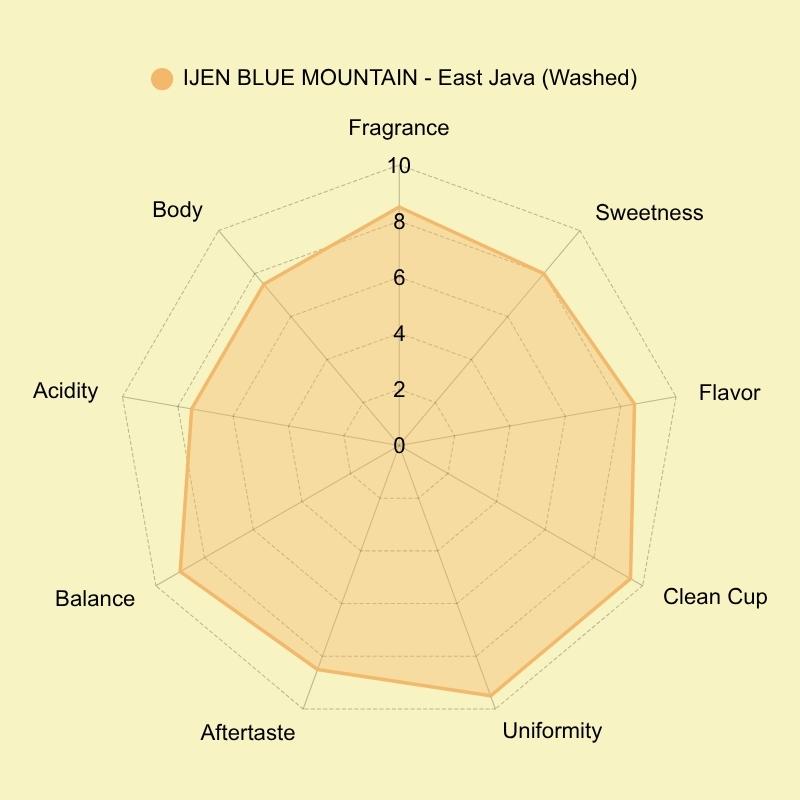
Grown at elevations between 900 and 1,500 metres, Ijen coffee benefits from the mineral-rich volcanic soil and a cooler climate than much of Java. What emerges in the cup is notably brighter than most Indonesian origins — a medium body, lively acidity, and clean fruit-forward notes that can include red berry, citrus, and mild floral elements, depending on the processing method. Washed processing is more common here than in other Javanese regions, which contributes to that clarity and lift.
For roasters whose customers gravitate toward brighter, more transparent cup profiles, Ijen Blue Mountain offers something genuinely rare: Indonesian provenance with an approachable, vibrant character. It bridges the gap between Indonesian depth and the clarity-seeking specialty market beautifully.
Bali Kintamani, Bali: Citrus, Culture, and Volcanic Harmony
Kintamani is Bali’s coffee heartland — a highland region sitting at around 1,200 to 1,700 metres on the slopes of the sacred Mount Batur volcano, overlooking its ancient caldera lake. Here, coffee farming is not just an agricultural practice — it’s woven into the spiritual and communal fabric of Balinese life.
Local farmers have long practised the Subak Abian cooperative system, rooted in the Balinese Hindu philosophy of Tri Hita Karana — the belief in harmony between people, the natural world, and the spiritual realm. This philosophy shapes how the land is farmed: organically, sustainably, and with a deep respect for what the environment provides. Many Kintamani lots carry organic certification as a direct result of this tradition.
The flavour tells that story clearly. Bali Kintamani is known for its bright, citrus-forward acidity — often described as lemon or mandarin — paired with a clean medium body, subtle floral notes, and a delicate, lingering sweetness. It’s a profile that surprises people who associate Indonesian coffee only with heavy earthiness.
For Australian roasters building a diverse single-origin lineup, Bali Kintamani is the Indonesian origin that speaks to drinkers who love African or Central American coffees. It’s a bridge, a conversation starter, and a beautiful representation of what Bali’s land and culture can produce.

Toraja Highlands, Sulawesi: Complexity with Quiet Authority
Deep in the mountainous interior of South Sulawesi, the Toraja Highlands are home to one of Indonesia’s most culturally rich and visually dramatic coffee-growing landscapes. The Toraja people have a history and cultural identity that draws travellers and anthropologists from around the world — and their coffee carries that same depth and quiet pride.
Grown at elevations between 1,400 and 1,800 metres in some of the most fertile highland terrain in the Indonesian archipelago, Toraja coffee develops slowly and deliberately. The volcanic soil and consistent cloud cover create conditions that favour complexity — and that complexity shows up in every cup.
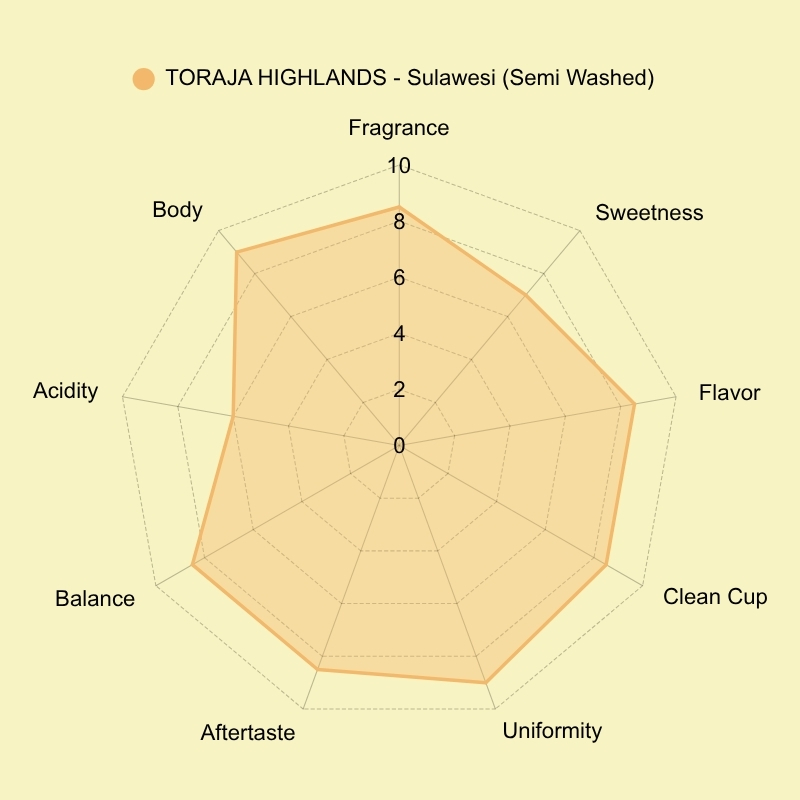
Toraja is often described as a more refined expression of Indonesian coffee: full-bodied and low in acidity like Sumatran, but with greater clarity, a more defined structure, and flavour notes that lean toward dark fruit, bittersweet chocolate, and warm spice rather than pure earthiness. The finish tends to be long and layered — the kind of aftertaste that rewards you for paying attention.
For roasters who want the weight and authority of Indonesian coffee with a profile that appeals to a slightly broader specialty audience, Toraja is the answer. It consistently earns its place on premium single-origin menus.
Flores, East Nusa Tenggara: Sweetness from the Eastern Islands
The island of Flores in East Nusa Tenggara is one of the genuinely exciting frontiers of Indonesian specialty coffee. Stretching across a volcanic landscape of dramatic ridgelines and fertile valleys, Flores is home to growing regions — particularly Bajawa and Manggarai — that have been attracting serious attention from specialty importers worldwide over the past decade.
Coffee in Flores is grown by smallholder farmers at elevations between 1,200 and 1,800 metres, often in communities where farming is still deeply tied to traditional land stewardship practices. The volcanic soil is rich, the climate is ideal, and the commitment to quality at the cooperative level has been steadily rising.
What distinguishes Flores in the cup is a natural sweetness and approachability that makes it one of the most versatile Indonesian origins available. Expect brown sugar and caramel sweetness, stone fruit notes, a smooth medium body, and a balanced, gentle acidity that works across roast profiles. Some lots show a pleasant nuttiness; others lean more toward tropical fruit depending on the specific area and harvest.
Flores is the origin that tends to convert people who thought they didn’t like Indonesian coffee. It’s familiar enough to be welcoming, and distinctive enough to be memorable. For roasters looking to expand their Indonesian offering beyond the classic heavy-hitting profiles, Flores is where the discovery begins.

Temanggung, Central Java: Spice, Tobacco, and Volcanic Depth
Temanggung is one of Central Java’s most storied coffee-growing areas, and it occupies a genuinely unique position in the Indonesian coffee landscape. Nestled between the volcanic slopes of Mount Sumbing and Mount Sindoro at elevations between 800 and 1,400 metres, the region has deep agricultural roots — tobacco farming has long been part of the local economy alongside coffee, and that connection is not merely historical.
Temanggung coffee carries a distinctive tobacco-like, spicy character that sets it apart from virtually any other Indonesian origin. The volcanic soil, the altitude, the intercropping with tobacco and other crops — all of it contributes to a profile that is bold, savoury, and completely memorable. Expect full body, low acidity, and a lingering finish with notes of dark spice, roasted nuts, and earthy depth.
These are coffees that polarise people in the best possible way — once a roaster finds their customer base for Temanggung, those customers tend to become fiercely loyal. It’s that kind of origin.
Processing is predominantly wet-hulled, consistent with the broader Central Javanese tradition, and the farming community remains largely smallholder-based with strong local cooperative structures.

From seven origins to your roastery
Australia’s proximity to Indonesia is a genuine advantage—shorter sea freight, fresher green coffee on arrival, and a more responsive supply relationship than is possible with origins on the other side of the world. The Indonesia-Australia Comprehensive Economic Partnership Agreement (IA-CEPA) has further streamlined trade conditions for agricultural goods, making the import process more efficient for both sides.
Ready to explore these origins for your roastery? Get in touch with the Epuria team today.
Green coffee from these seven regions travels from processing mills in Aceh, West Java, Central Java, East Java, Bali, Sulawesi, and East Nusa Tenggara—departing through ports like Medan, Surabaya, and Makassar—before arriving in Brisbane, Melbourne, or Sydney for biosecurity clearance and onward delivery.
At Epuria (epuria.com.au), every lot we import is selected with roasters in mind: traceable to region and cooperative where possible, handled with proper storage conditions on arrival, and available with the origin information your customers increasingly expect.
Whether you’re building an espresso blend around Gayo’s boldness, featuring the brightness of Ijen Blue Mountain as a filter single-origin, or introducing customers to the sweet complexity of Flores — we’re here to make that sourcing relationship work.